
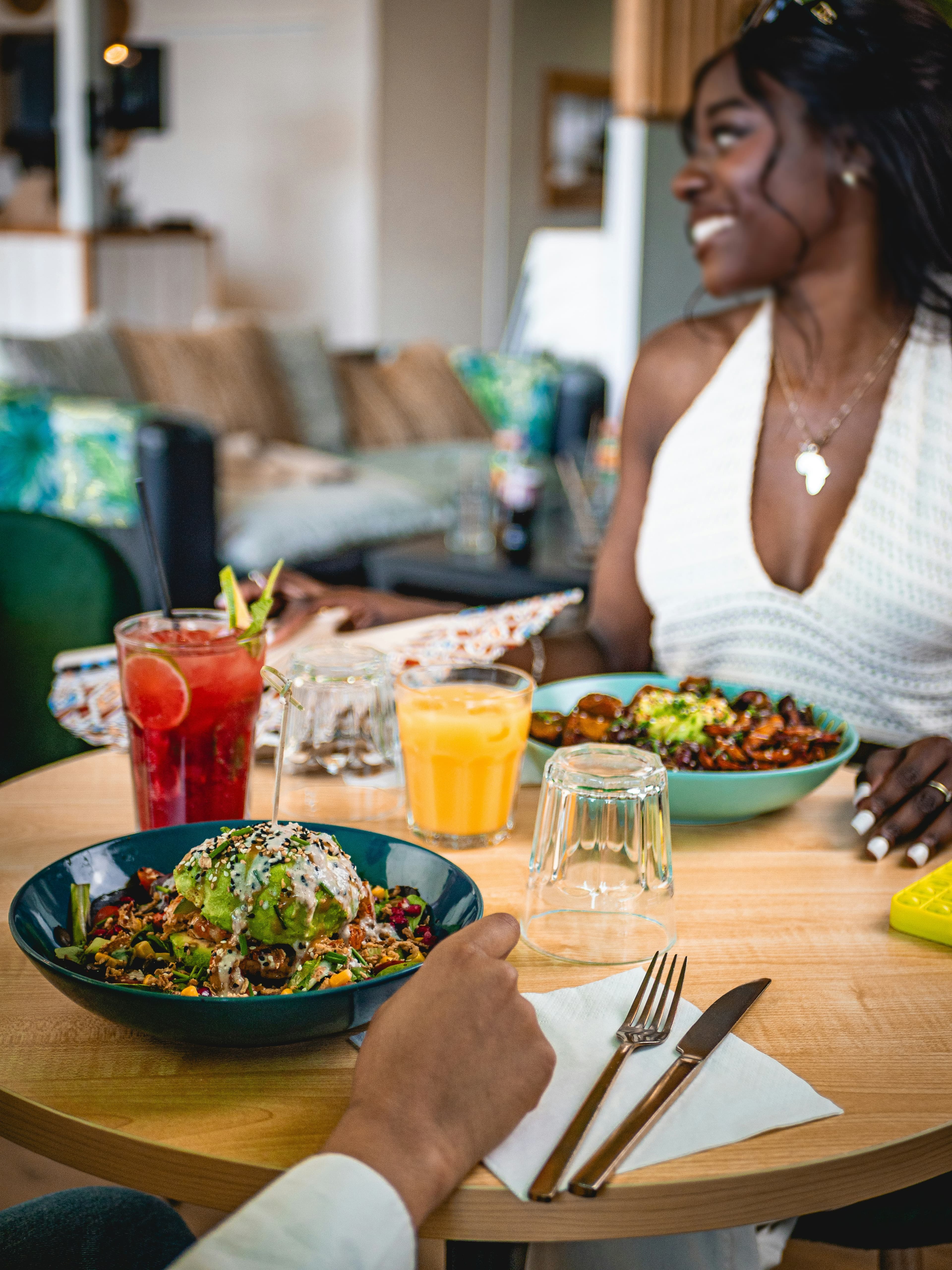
Let me be direct: this guide is not written by someone who has rediscovered "street food" as a trend. I work in Yaba, I earn an average Lagos salary, and I have been eating properly on a tight budget for three years. These are the actual things I do.
Rule 1: Eat breakfast from a buka, not a bakery
Agege bread and a cold drink at a bakery will cost you NGN 600 and leave you hungry by 10am. Akara and pap from the woman near the bus stop - NGN 300, and you will not think about food until 1pm. The math is simple. The discipline is the hard part.
Rule 2: Pre-order your lunch the night before
The most expensive meal of the day is always the impulsive one. When you are hungry at 1pm and you have not thought about food, you end up at the nearest place, which is rarely the best value. Pre-ordering on ChopQik the evening before means you have already made the sensible decision before hunger makes decisions for you. A full plate of rice, stew, and protein from a good buka: NGN 900-NGN 1,200.
"The people who eat badly are not the people who cannot afford to eat well. They are the people who make food decisions while hungry. Plan before you are hungry."
Rule 3: Learn your vendor's schedule
Every good buka has a rhythm. The Egusi is freshest between 12pm and 1:30pm. The Jollof often runs out by 2pm. The Pepper soup is better in the evening when the pot has had longer on the fire. If you know these things - and you will, after two weeks - you always eat the best version of what you are paying for.
The numbers
Breakfast: NGN 300-400. Lunch: NGN 900-1,200. Dinner: NGN 700-900 (lighter - soup and swallow or rice from home). Total: NGN 1,900-NGN 2,500. That is real food, three times a day, in Lagos, under NGN 3,000. It is possible. It just requires thirty seconds of planning the night before.